
"coffee chemical composition"
400 article(s) found

There is no problem with three cups of high-quality coffee a day.
The chemical composition of coffee is very complex, there are thousands of kinds, and there are even nearly 200 unknown chemical substances, but in view of the fact that coffee is the third largest trading product in the world, Western and Arab countries have not seen a higher mortality rate than the Chinese in the history of drinking for hundreds of years, which shows that coffee is still safe as a beverage. The most notorious thing in coffee is caffeine, although
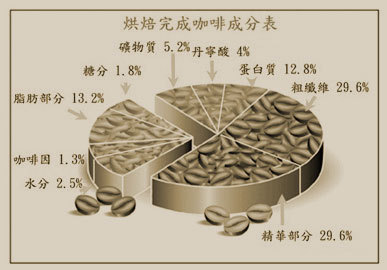
Dissecting the structure diagram of coffee fruit to understand the component content and structure of coffee beans
The main source of protein calories is protein, and like dripping coffee, most of the protein will not dissolve, so no matter how much coffee you drink, the nutrition you get is limited, which is why coffee will become a sacred food for dieters. Sugar: without sugar, you will not only feel the bitter taste of caffeine and the sour taste of tannin, but also feel the sweet taste.

What is the coffee cup test? description of the flavor of a single coffee cup
Communication of professional baristas Please pay attention to the color, aroma and taste of coffee in the coffee workshop (Wechat official account cafe_style), which is caused by some complex chemical changes that take place during the roasting process. So raw coffee beans must go through a proper chemical process to achieve the most balanced state of its essential ingredients in order to be regarded as the best baked beans. The aroma of coffee will follow.

Three cups of high-quality coffee a day is within the healthy range.
The chemical composition of coffee is very complex, there are thousands of kinds, and there are even nearly 200 unknown chemical substances, but in view of the fact that coffee is the third largest trading product in the world, Western and Arab countries have not seen a higher mortality rate than the Chinese in the history of drinking for hundreds of years, which shows that coffee is still safe as a beverage. The most notorious thing in coffee is caffeine, although
There is no problem with three cups of high-quality coffee a day.
The chemical composition of coffee is very complex, there are thousands of kinds, and there are even nearly 200 unknown chemical substances, but in view of the fact that coffee is the third largest trading product in the world, Western and Arab countries have not seen a higher mortality rate than the Chinese in the history of drinking for hundreds of years, which shows that coffee is still safe as a beverage. The most notorious thing in coffee is caffeine, although

Where does the bitterness in the coffee come from? Why is coffee bitter?
A cup of coffee is a complex drink made up of more than 30 chemicals that determine the taste, aroma and acidity of the coffee. Since the 1930s, scientists have isolated and identified a variety of chemicals related to the sensory composition of coffee, but no one can figure out what makes coffee so bitter. In order to solve this mystery, science has to cook.
The process of roasting coffee
1 is the state of raw coffee beans, 2 is that coffee beans are heated at the furnace temperature 3. As the temperature rises, the free water in coffee beans begins to evaporate, and the beans begin to change from green to yellow. At this stage, beans still have obvious grass flavor. 4 coffee beans are further dehydrated, from light yellow to color similar to longan. At this stage, the free water in coffee beans is further removed, and coffee beans gradually expand 5.

Coffee roasting Coffee Coffee making Coffee made at Home Coffee Italian mixed with beans
1 is the state of raw coffee beans, 2 is that coffee beans are heated at the furnace temperature 3. As the temperature rises, the free water in coffee beans begins to evaporate, and the beans begin to change from green to yellow. At this stage, beans still have obvious grass flavor. 4 coffee beans are further dehydrated, from light yellow to color similar to longan. At this stage, the free water in coffee beans is further removed, and coffee beans gradually expand 5.

Where does the thick and unique taste of self-made coffee come from?
Coffee is not only fragrant, its unique taste will also leave a very deep impression. But do you know where coffee tastes? Recently, scientists have discovered the real reason for the taste of coffee. At first, through descriptive analysis, the scientists listed the chemicals that may cause the taste of coffee.
Coffee health how many cups of coffee a day will not affect your health
The discussion on the pros and cons of drinking coffee is often seen in the newspapers. This side is still talking about drinking coffee to prevent cancer, while there is saying that drinking coffee causes cancer. Reading many similar reports makes people wonder: can coffee be drunk in the end? The chemical composition of coffee is very complex, there are thousands of, and even nearly 200 unknown chemicals, but given that coffee is the third largest trade in the world
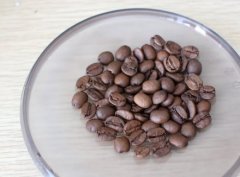
Experience the different tastes of coffee
The color, aroma and taste of coffee are caused by some complex chemical changes that take place during the baking process. Generally speaking, we use strong alcohol to show the round, mellow and strong taste of coffee.

How many aromas do roasted coffee beans produce?
Nutritionist Jonny Bowden lists coffee as one of the 150 healthiest ingredients on earth and the No. 1 antioxidant food source in the American diet. Of all the ingredients and drinks, coffee is the most artistic, skillful and varied, but also controversial. Coffee's complex composition, complex production process

Coffee Science: the Flavor Source and volatility of Coffee
Professional coffee knowledge exchange more coffee bean information please pay attention to the coffee workshop (Wechat official account cafe_style) in a broad sense, taste includes five senses (vision, hearing, smell, taste, touch) transmitted to the cerebral cortex, and handed over to the central nervous system to process, so our five senses will be the medium of taste signals; but in a narrow sense, we usually think that

Coffee brewing from the perspective of water, about taste perception
Following Cafe (Wechat official account vdailycom) found that the trigeminal nervous system (the triennial sensory system) of the trigeminal nervous system is unfamiliar to ordinary people, but recently there has been a lot of research work on how it affects people's perception of flavor. These nerve endings are widely distributed in the nasal meatus and oral cavity.

Don't drink coffee from a metal cup.
When looking for coffee cups for our favorite coffee, we always turn our attention to those colorful quilts. The senior barista told us not to drink coffee from metal cups. So, are there any cups that can't be used with coffee to drink? The metal elements in the composition of enamel cups are usually stable, but in acidic environments, there are

Coffee common sense how many cups of coffee a day will not affect your health?
The discussion on the pros and cons of drinking coffee is often seen in the newspapers. This side is still talking about drinking coffee to prevent cancer, while there is saying that drinking coffee causes cancer. Reading many similar reports makes people wonder: can coffee be drunk in the end? The chemical composition of coffee is very complex, there are thousands of, and even nearly 200 unknown chemicals, but given that coffee is the third largest trade in the world

Do you know what substances are in coffee? what's the effect of protein content in coffee?
Professional coffee knowledge exchange more information about coffee beans Please pay attention to the coffee workshop (Wechat official account cafe_style) the chemical composition of coffee beans is very complex, of which carbohydrates account for the most. Coffee beans contain a variety of carbohydrates, accounting for 60% of the total weight of raw coffee beans, as well as some protein, fat, tannin, caffeine, minerals and others.
Roasting baking
The average chemical composition of raw coffee beans is as follows: water 12%, nitrogen 12%, fat 12%, sugar and dextrin (dextrine) 10%, other non-nitrogen substances 18%, dust 4%, tannin 6.7%, caffeine 1.2%, coffee essential oil 0.1%. Of course, these data are not fixed, and the quantity of some of these ingredients varies greatly, which is why each kind of coffee is so different.

About baking
The average chemical composition of raw coffee beans is as follows: water 12%, nitrogen 12%, fat 12%, sugar and dextrin (dextrine) 10%, other non-nitrogen substances 18%, dust 4%, tannin 6.7%, caffeine 1.2%, coffee essential oil 0.1%. Of course, these data are not fixed, and the quantity of some of these ingredients varies greatly, which is why each kind of coffee is so different.
Roasting roasted coffee
The average chemical composition of raw coffee beans is as follows: water 12%, nitrogen 12%, fat 12%, sugar and dextrin (dextrine) 10%, other non-nitrogen substances 18%, dust 4%, tannin 6.7%, caffeine 1.2%, coffee essential oil 0.1%. Of course, these data are not fixed, and the quantity of some of these ingredients varies greatly, which is why each kind of coffee is so different.